






Vogue’s latest shenanigan might have placed the brand under controversy, but there is more than meets the eye.
We were barely out of June and July, full of fake AI-generated Studio Ghibli images. And now we have a full-blown digitally rendered entity that brands are passing off as actual influencers. When did all this happen?
The Virtual Face of Fashion
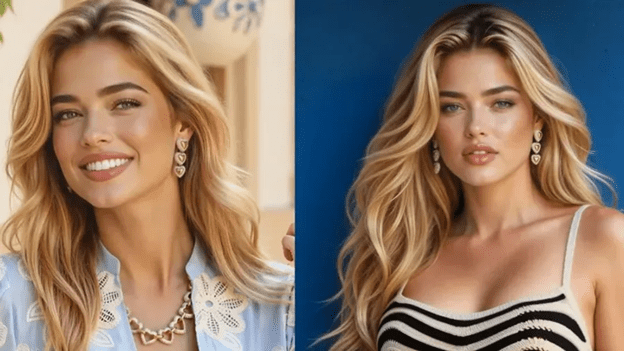
The magazine quietly ran a Guess campaign starring a fully AI-generated model, created by the London-based studio Seraphinne Vallora. Vogue confirmed this was an advertisement, not an editorial spread, though the disclosure label was so subtle that many readers assumed the model was real.
The digital figure, with perfect symmetry and porcelain skin, was presented as aspirational beauty, flawless, hyper-real, and expressive of an ideal. But when fashion insiders and readers noticed, backlash was swift: longtime Vogue subscribers accused the brand of emotionless perfectionism and even cancelled subscriptions.
Digital Isn’t New, But This Felt Different
Virtual influencers aren’t a 2025 anomaly. We’ve had Lil Miquela (1.6M followers), a freckled Brazilian-American teen who’s done campaigns for Prada, Calvin Klein, and even “dated” real celebrities. Then there’s Shudu (@shudu.gram), dubbed the world’s first digital supermodel, often featured by Balmain. Imma, the pink-haired Japanese avatar, fronted Samsung and Puma ads while debating real people on TikTok.
The difference? Most of these campaigns were clearly labelled and existed in niche digital culture or futuristic brands. Vogue, on the other hand, is a gatekeeper of legacy fashion.
The Backlash Vogue Didn’t Expect
As the campaign circulated, criticism came fast and sharp. Fashion watchdogs and digital culture critics raised alarm bells not about the tech, but about the message. “You’re telling me we’re firing real models just to make flawless ones in a lab?” one user commented on Vogue’s Instagram. Others pointed out the irony of championing diversity in one breath and publishing digitally ‘perfected’ women in the next.
Digital humans like Vogue’s AI model are often engineered to be slim, poreless, racially ambiguous, a Frankenstein blend of marketable beauty ideals. “It’s a return to dangerous standards we fought hard to dismantle,” wrote culture critic @scamfluencer on X.
Conclusion: Why Brands Love AI Influencers
Strip away the controversy, and you’ll see why brands like Vogue are flirting with virtual influencers: they’re controllable, on-brand 24/7, and scandal-free. No reshoots. No PR disasters. Just pixels performing to spec.
AI personalities don’t age, get tired, or ask for residuals. According to a 2023 McKinsey report on fashion-tech trends, Gen Z audiences raised on anime, filters, and virtual avatars are “uniquely receptive to hyperreal aesthetics and gamified fashion.” It’s not just novelty, it’s comfort in the surreal.
AI influencers often outperform real ones. According to The Drum, Lil Miquela boasts engagement rates of 2.7%, while most human influencers in the fashion space average 1.1–1.5%. For brands, that’s a numbers game they can’t ignore.
By: Sushrut Tewari, a writer covering trends, innovation, and brand storytelling in India and beyond.