


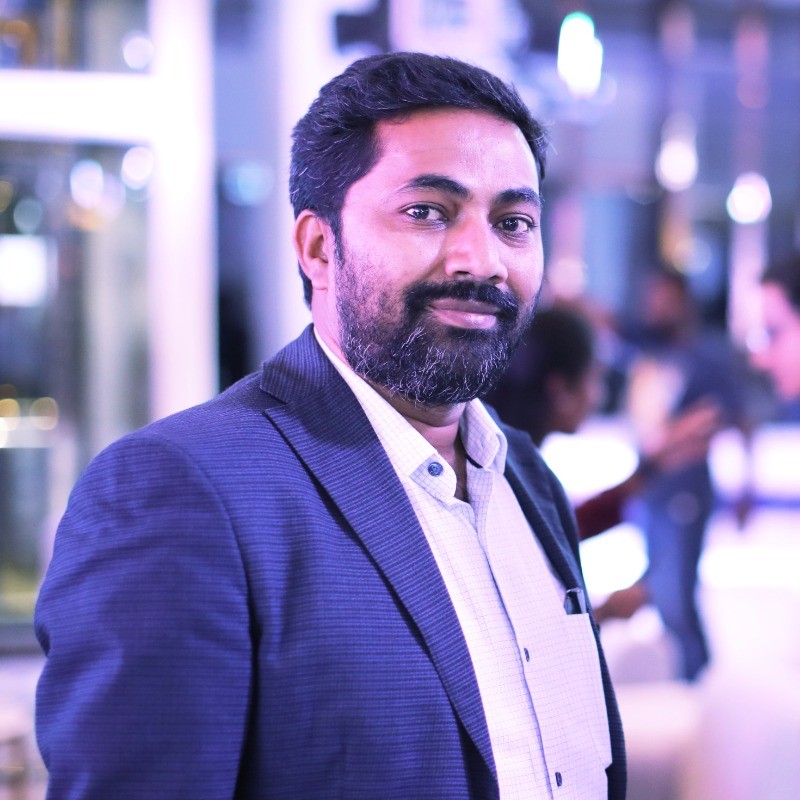

In a highly engaging deep dive session on “How Stolen broke the mould and became a landmark for independent filmmakers”, Manish Menghani, director and head of content acquisition at Prime Video India, spoke about why Prime Video choose to bet big on Stolen. He also emphasized how the movie has the potential to set an extraordinary benchmark for aspiring film makers at the 56th International Film Festival of India
Conversation focused on the key factors that contributed to the global success of Stolen, highlighting its remarkable ability to transcend borders and connect with viewers worldwide
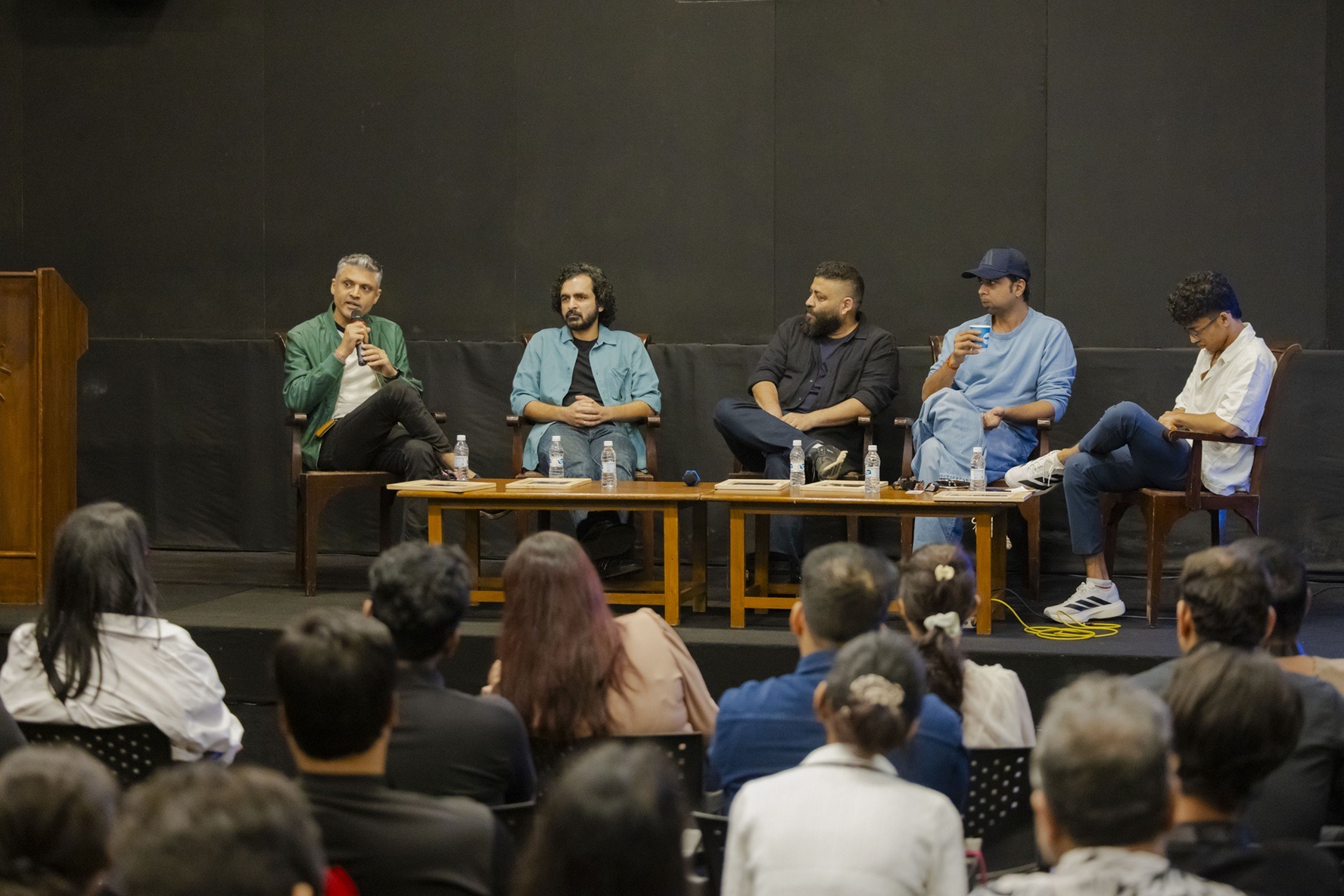
MUMBAI, India—November 25, 2025—Prime Video, India’s most-loved entertainment destination, participated in a highly engaging deep dive session on “How Stolen broke the mould and became a landmark for independent filmmakers,” at the prestigious 56th International Film Festival of India (IFFI). The session featured Abhishek Banerjee, actor; Karan Tejpal, writer and director; Gaurav Dhingra, producer and Manish Menghani, director and head of content acquisition at Prime Video India, and was moderated by Divyansh Jain, producer/director.
The conversation started with Divyansh asking Karan about what made him so sure that he wanted to tell this story? Karan said, “Stolen is based on several true incidents in India. We amalgamated these events to tell a single narrative. The idea stemmed from the phenomenon of “WhatsApp lynchings” between 2015 and 2020, where innocent people were wrongfully accused of being child kidnappers, brutalised, and killed across the country, except in a few Himalayan states. One incident in Assam caught my attention—two young men were killed by a mob after being falsely accused. What disturbed me most was not just the brutality, but the reactions of unseen people in the videos, who were laughing and seemed to enjoy the violence. This stayed with me, especially since I often travel to remote places in India with friends, and it was shocking that such events could happen here without justice. I delved into this subject to understand why these incidents occurred and what was driving them. That’s how it all began.”
Asked to shed light on why Prime Video chose Stolen, Manish spoke about how deeply Stolen aligns with the streaming service’s content tenants. Manish said, “We don’t look at films as big or small, or as commercial versus non-commercial — that’s never been the lens. At the heart of everything we do is a simple question: is this a story that must be told, and must be told now? That’s the real compass guiding our choices.” He added that the film’s journey began long before audiences ever saw the title. “It began with a creator’s vision — and the courage to pursue it. This isn’t a conventional story. It’s one that confronts you, unsettles you, makes you sit with difficult emotions. It refuses to be boxed into a single genre. It isn’t just a thriller, or action, or drama — it is something far deeper. What makes it powerful is how rooted it is — in its characters, its talent, its truths, and the place it emerges from. There is a rawness and relatability that connects with audiences in ways that feel honest and immediate.”
He went on to add, “Another reason was superlative execution. If you watch the film, it comes very close to global standards. The cast delivered powerful, lived-in performances, each one playing their character to their truest form. And that is what made the movie truly immersive. To me, it did not feel like I am watching a film. It really made me feel like somebody is telling me a story. It is so compelling that I cannot take my eyes off the screen. Ultimately, it all comes down to one thing: the creators backed their creative conviction all the way to completion, which is truly rare.”
Abhishek explained how the process of filming long takes in Stolen differed from other films, specifically from the perspective of an actor working in front of the camera. He said, “While acting in the scenes, I also had to focus on facing the camera, ensuring other actors weren’t masked, all while driving. I was basically managing everything at once, which was the toughest part for me. Besides that, we did numerous rehearsals. For complex scenes like the station sequence, which was a long take, we had multiple lessons and rehearsed with all actors, props, and borrowed items like suitcases. We wanted everything to look as real as possible. Shubham and I would rehearse scenes repeatedly, so when we filmed those long takes, there was no need to cut. This experience really taught me the value of thorough rehearsal, which is quite different from my previous film projects.”
When asked about the legacy of the film and how it will be remembered a few decades from now, Karan said, “It is like a time capsule of our country that can be watched even 30 years later to understand what was happening.”
Manish spoke about the fact that Stolen was a deeply uncomfortable film about deeply personal choices that two brothers face. It is the uncomfortable choice between walking away from a dire situation or getting involved, despite personal risk. Its powerful storytelling compels audiences to reflect on their own decisions, making it a deeply thought-provoking experience that will resonate even decades later.
Responding to an audience question about what convinces him to support a story, Manish said, “For me, it begins with conviction. What makes me believe in a story is first understanding how deeply you believe in it. Stolen is a perfect example — the creators went ahead and made the film. I’m certain they heard countless questions and doubts along the way: ‘It’s too expensive, “Why now?’ or ‘Why not wait for funding?’ Yet they pushed forward and found a way to bring their vision to life. That unwavering creative conviction, the willingness to back yourself — is critical.” He continued, “The second thing we look at is the breadth of the story — how many people might genuinely want to watch it. It isn’t about distribution strategy or how much we push it; it’s about pull. We need to believe that the story will attract audiences. That comes from truly understanding the viewer, knowing what resonates and what doesn’t, and applying that insight with intention”.
When an audience member asked Gaurav about the logistics of making a film with visual quality suitable for distribution at film festivals, Gaurav said, “Producing is not just about making a film, it’s about deciding where to allocate funds and what to prioritise for the film’s value. Integrity is key; you must protect the vision you and your collaborators have created. Protecting this vision is essential. Securing funding and investors is another matter, but the main point is to consistently evaluate what is valuable to your project and make decisions accordingly.”
When asked what advice he would offer aspiring filmmakers, Manish shared, “The first and most important thing is having a creative vision — your own distinct voice, and the conviction to protect it no matter what. The second is flawless execution. Audiences today have far more exposure than they did ten years ago, and anything you release will instantly be compared to global benchmarks. While creating, you must ask yourself: Am I making something that can stand on the world stage? That’s the moonshot. The third pillar is building an exceptional team. And finally, never forget that the business of cinema is just as critical as the creative spark that first brings people together around a story. The story isn’t the finish line — it’s the starting point. The same passion present in that first moment of ideation must carry through all the way to distribution and exhibition”.
Prime Video’s participation at IFFI is a testament of the pivotal role video streaming sector is playing in enabling the growth of India’s creative economy and acting as a robust platform to showcase Indian stories, talent, and creators in the global arena.
Over the years, IFFI has established itself as a melting pot of myriad rich cultures and cinematic excellence, as it brings the world’s most outstanding films and shows, as well as stellar creators, talent, and storytellers together under one roof. As one of Asia’s oldest film festivals, it celebrates the rich cinematic excellence, creativity, and innovation that embodies the rich and vast entertainment ecosystem within India and from around the world.